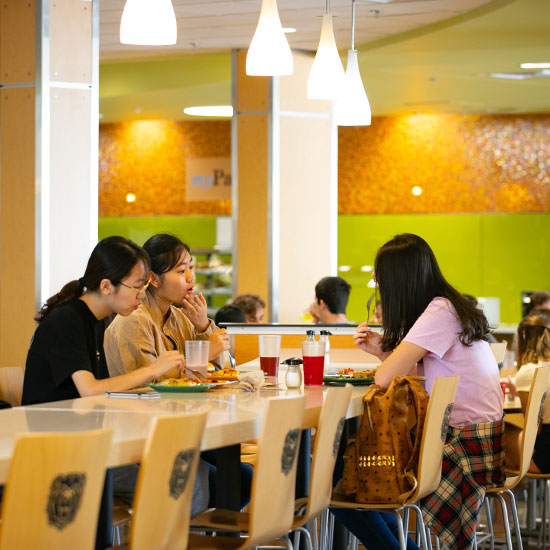
Living on Campus
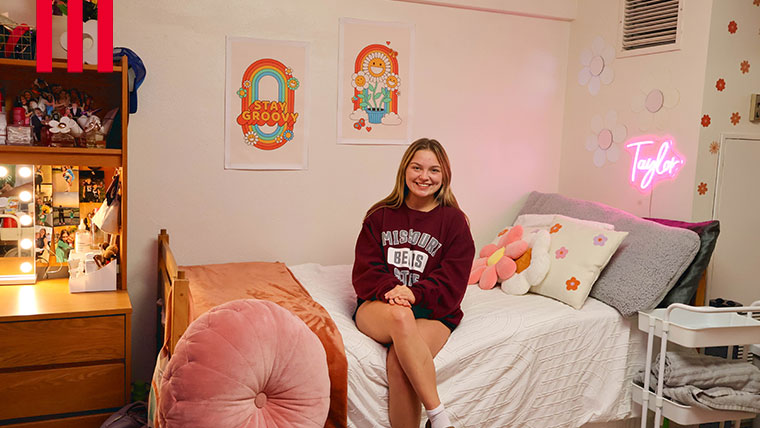
Campus living: A Bear's natural habitat
By now, you've had the opportunity to complete your housing application. Find out what’s next and get excited to live like a Bear!
What are the benefits of living on campus?
- More success in your studies.You are more likely to achieve a higher GPA and finish your degree when you live on campus. More than 25 years of data supports this!
- Time savings. You’ll be just a short walk from your classes and other on-campus buildings.
- Amenities! You’ll enjoy Wi-Fi, 24-hour computer labs, free laundry and a community kitchen in your building. Your room will have a microwave, fridge and Ethernet port.
- Support. Your resident assistant, or RA, lives on the same floor as you. Your RA is there to support you during your transition to college life. Your building also has a front desk open 24/7 to assist with concerns or questions.
- Community. You can live in a living-learning community with like-minded peers. You’ll have easier access to campus organizations and events.
- Leadership opportunities. You can gain leadership experience and represent the voice of our residential community by joining the Residence Hall Association or your building’s hall council.
11
On-campus housing options
4,000+
students live on campus
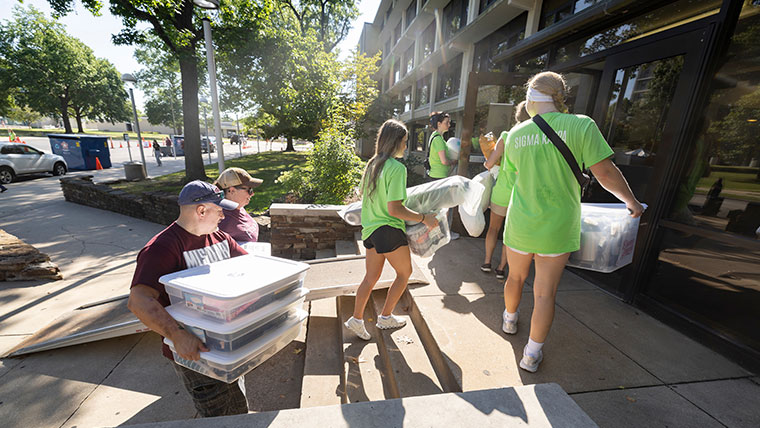
What should you pack for your move?
We can help you decide what to bring (and what not to bring!) to move in.
How do meal plans work?
If you are going to live on campus, you are required to purchase a meal plan. You can lower your meal plan amount during the first three weeks of the semester, and increase it at any time.
3
dining centers in residence halls
10+
other dining options
Living off campus? Here are tips for commuters
Come to campus for more than classes. Getting involved, meeting people and having fun are huge parts of college life.
- Consider purchasing a meal plan if you’ll be on campus during lunch or dinner. Eating
here can help you meet new people. Dining services has meal plans just for commuters.
Learn about Commuter Meal Plans - Find a home base on campus and use this place to study, eat, read or hang out. Check out the Commuter Corner in the Plaster Student Union to relax between classes, heat up a meal or print out assignments for free!
- Know where and when to park. We recommend arriving on campus at least 30 minutes before
your first class each day, since some commuter lots can become congested around the
middle of the day (around 10 a.m.–3 p.m. most days).
Find out where to park - Get a storage locker in the Plaster Student Union. The PSU has a limited number of lockers for commuters to use at no cost. Stop by the PSU information desk to request a key.
- Create a plan for inclement weather. If there is snow or ice, you may want to stay on or near campus. Make friends in the residence halls — you never know when you might need a place to stay. Also, have an emergency kit in your vehicle.