
Stay safe, prepared and informed of the status during an emergency.
Loading LoadingCrime and Safety Alerts

Campus Safety News
Safety resources
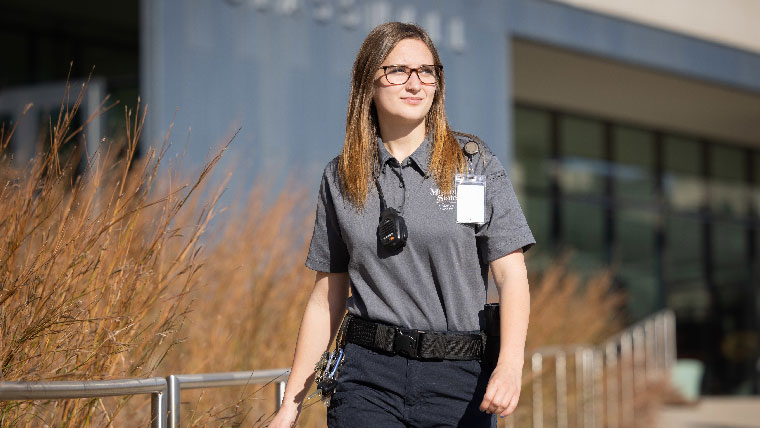
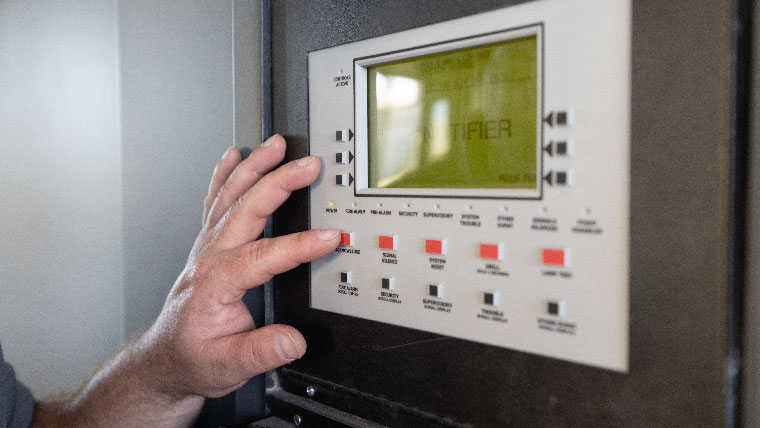
Campus services
- Missouri State Alert
- Safe Walk
- Safe Exchange Zone
- Blue Light Telephones
- Building Unlock Procedures
- Possession of Firearms on Campus
- Student Production Notification Form
- Springfield Police Department Campus Substation
- Camera Installation Request Form
- Vehicle Jump Starts and Tire Inflation: Please call our Dispatch at 417-836-5509.
- Please note that we do not offer tire changes or vehicle unlocks.
Safety training and information
Crime reporting and prevention
- Crime and Safety Alerts
- Crime Data and Clery Act
- Sex Offender Registration
- Campus Security Authority (CSA) Incident Report Form
How to Request Information
- Request Campus Safety Incident Report
- Request Surveillance Camera Recording
- Request Springfield Police Department Incident Report
How to Report an Injury Accident