Missouri State University is an institution that is focused on student achievement and success. The University is committed to providing an atmosphere where students can expand their entire mind, body and spirit. The academic success of the institution has been proven with expanded programs, recruitment of outstanding faculty, and construction of new facilities. Enrollment has increased/remained strong over the last five years at 18,000 students.

The University recognizes student life is another key component to attract, recruit and retain students. Student life activities involve housing, dining, social activities, athletics and student recreation. With the renovation of the student center and several student residence halls, attention has been directed towards student recreation. This was an effort initiated by student leadership and Missouri State University administration. The use of recreation, wellness and fitness facilities has increased in recent years due to expanding student enrollment; life style changes by students, faculty and staff; and focus on personal fitness and wellness. Campus facilities to support recreation and wellness activities were identified as lacking to meet the current and future needs of the users.

In January 2006, a feasibility study of campus-wide student recreation facilities was conducted. This study involved the assessment of current facilities; a university-wide survey of students, faculty and staff; quantitative analysis of demand-based needs; focus group meetings with campus representatives to clarify and prioritize needs; and development of an implementation strategy.
Findings
Through feedback obtained from the campus survey, assessment of current facilities, and input from Committee representatives, the following findings were developed:
- Existing student recreation, wellness and fitness facilities are distributed across campus. These facilities are located in Hammons Student Center, McDonald Arena, Plaster Sports Complex, and student residence halls. In addition, these facilities share space with academics and athletics reducing access for student use.
- Based upon a campus-wide student survey, students would prefer dedicated recreation, wellness and fitness facilities to allow use throughout the day and to avoid conflicts with other users. Student surveys indicated the importance of use based upon hours of operation, safe and secure environment, quality of equipment and waiting time to use facilities.
- Based upon interviews with recreational and intramural staffing, it was determined staff is distributed throughout the current facilities. This has resulted in inefficient staffing, management and operation of the recreational and wellness programs.
- Based upon the current student population and use patterns, there is excessive space dedicated to racquetball in the Plaster Sports Complex.
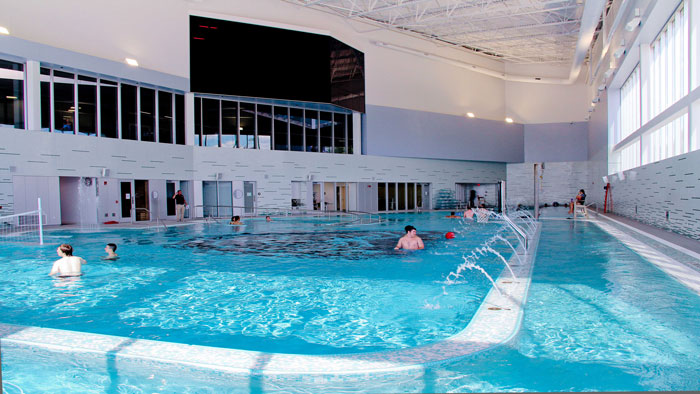
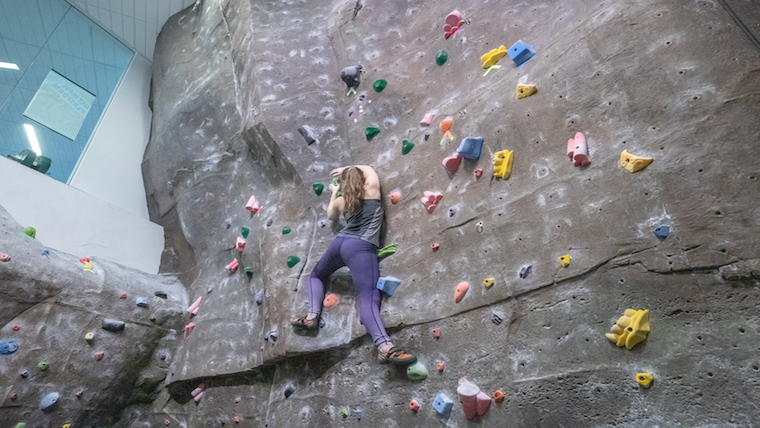
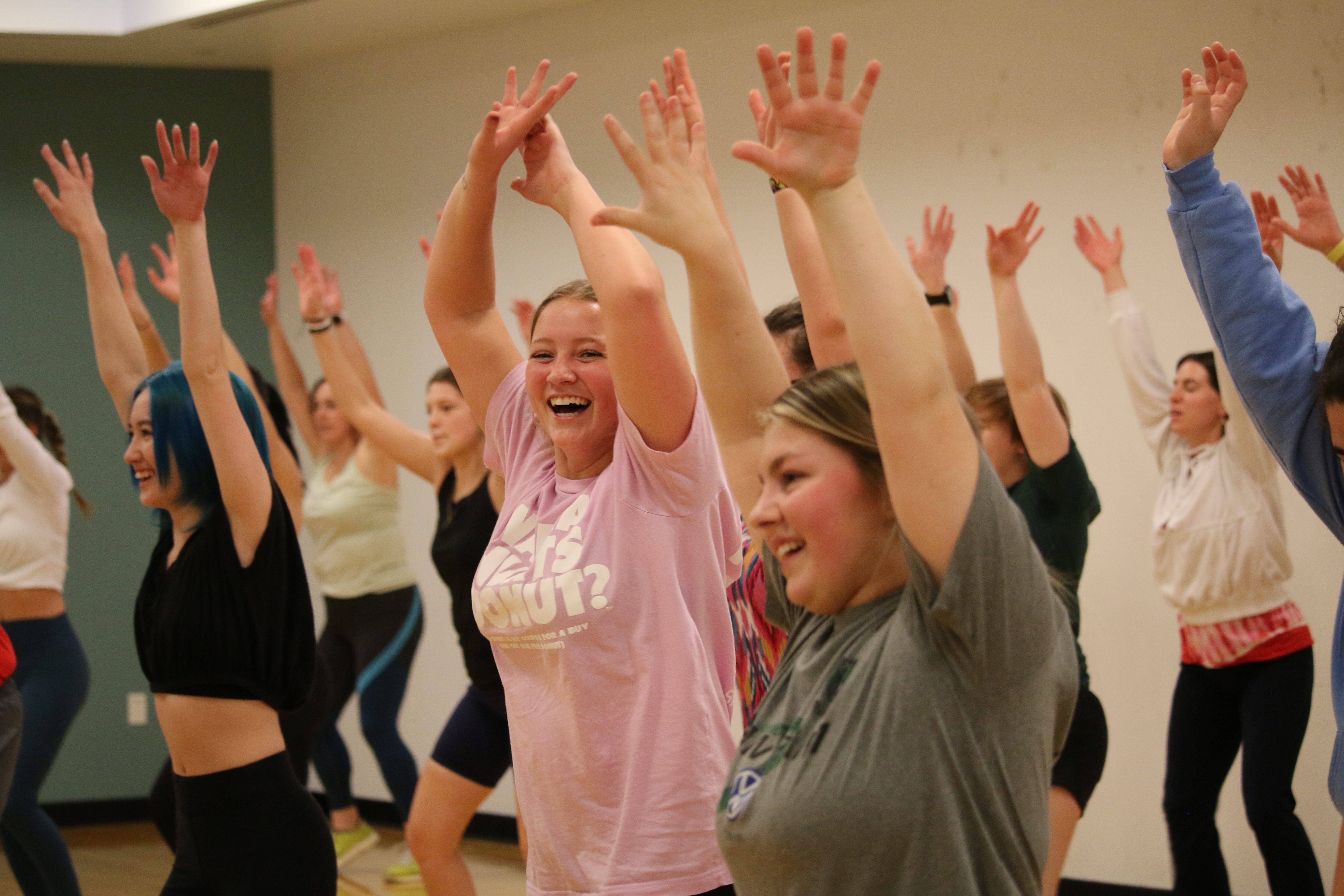
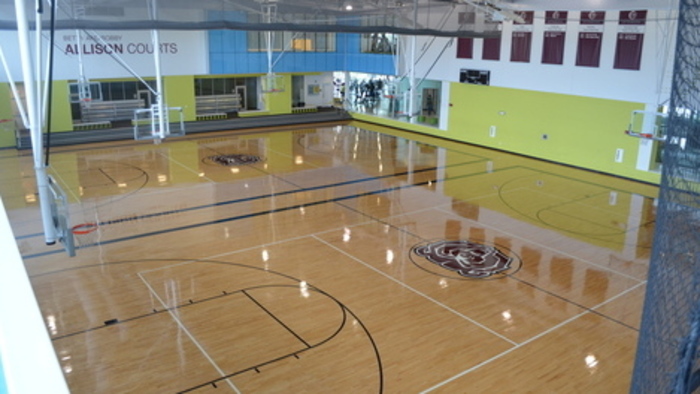
- Based upon the survey and open forums, student needs for gymnasium space; cardio, weight and fitness equipment; programmed activities such as aerobics, yoga, dance; indoor aquatic spaces; and jogging track are not being met.
- Proximity to student life activities such as dining, housing and parking should be considered in determining a desired location on campus. Students indicated a preference for the recreation facility to be centrally located and include activity spaces to address student needs.
- Discussions focused on providing new or renovated recreational facilities on campus. Based upon initial construction cost estimates, long-term operating and maintenance costs, and the potential to renovate existing buildings, renovation of facilities was preferred to constructing a new facility.
- Students indicated strong support, both in the survey and open forums, for a student fee increase to pay for a quality facility that would meet their needs.
- Preliminary concepts of Hammons Student Center and McDonald Arena were developed to study if these facilities could satisfy the needs outlined in this study. The conceptual budget for McDonald Arena indicated it was a more cost-effective solution than Hammons Student Center.
Recommendations
- Based upon the findings of the Feasibility Study, the following are recommendations to address student recreation, wellness and fitness needs:
- Provide a facility that is dedicated to student recreation, wellness and fitness.
- Increase space assignments to activities and programs which are in demand by students while maintaining flexibility and adaptability for future programs.
- Provide spaces for a variety of users including students, faculty, staff and alumni.
- Facility should be centrally located on campus, in proximity to other recreational and intramural spaces, and convenient to student housing and dining.
- Provide a cost-effective design solution within limits established by a student referendum supported by a student fee increase.
- Develop an assessment, analysis, and cost models of McDonald Arena to determine if a comprehensive renovation of the building could provide a facility responding to the needs established by this Feasibility Study.
- Continue the active participation of students in the development of a preferred solution to meet campus recreation needs. Students should be informed and knowledgeable regarding issues related to the student referendum.
The Feasibility Study provided a process to analyze and identify student recreational needs on the Missouri State University campus. The process provided a venue to solicit input from a broad cross-section of campus including student, faculty, staff and administration representatives to prioritize and confirm the needs of campus recreational facilities. It was recommended that expansion and renovation of facilities are necessary. Recreational facilities should reflect the quality of other campus buildings to attract, recruit and retain students. Students have indicated strong support for passage of a student fee referendum so the necessary funding is available to provide high quality campus recreational facilities.