Current strengths
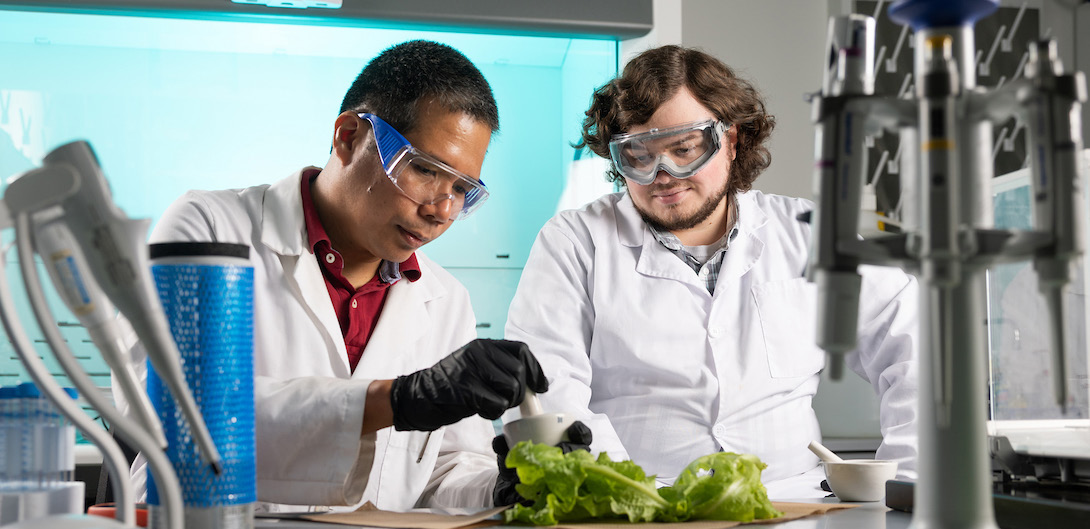
During the past five years, Missouri State established both expertise and infrastructure capacity in several specific areas of research/scholarly activity. Infrastructure development in these areas (such as biotechnology, environment and water resources, and materials science) is the result of targeted investment by the University and through externally generated funds. This plan recognizes that these programs will continue to develop and evolve, and that the majority of the funding will continue to be generated through external sources. During this five-year plan, the University will not only support these current strengths, but also target support for those areas identified as having the greatest need as well as areas of opportunity that might arise.
Areas of need
A major initiative to be undertaken during the five-year plan will be to develop strategies and tactics to better utilize University resources and expertise to address in a systematic and sustained way, pressing community issues such as rural health and education, arts and cultures, housing, social welfare, public order and safety, citizen participation, recreation and sports opportunities, and transportation. As part of this planning process, Engaged Inquiry will be viewed as a means of promoting public engagement by the University in search of knowledge-based solutions to local and regional issues.
In addition, the University will expand its capacity to engage in focused research on teaching and learning with the intended outcome of improving the design and delivery of student learning experiences. The University will make strategic investments that specifically promote student-faculty collaborative research as part of improving instruction at the undergraduate and graduate level, increase the number and impact of collaborative interdisciplinary research projects, and expand the capacity of the University to engage in the scholarship of teaching with intended outcomes of improving the design and delivery of student learning experiences. Targeted University investments in this area will be leveraged to generate external funds necessary for successful implementation of this portion of the plan.
During the first year of the plan, the provost will appoint a task force and an action plan will be developed to guide University efforts and investments in these areas of need. One of the major activities of the task force will be to examine the role that the University's various centers and institutes (for example the Community and Social Issues Institute) can play in responding to the region's many needs.